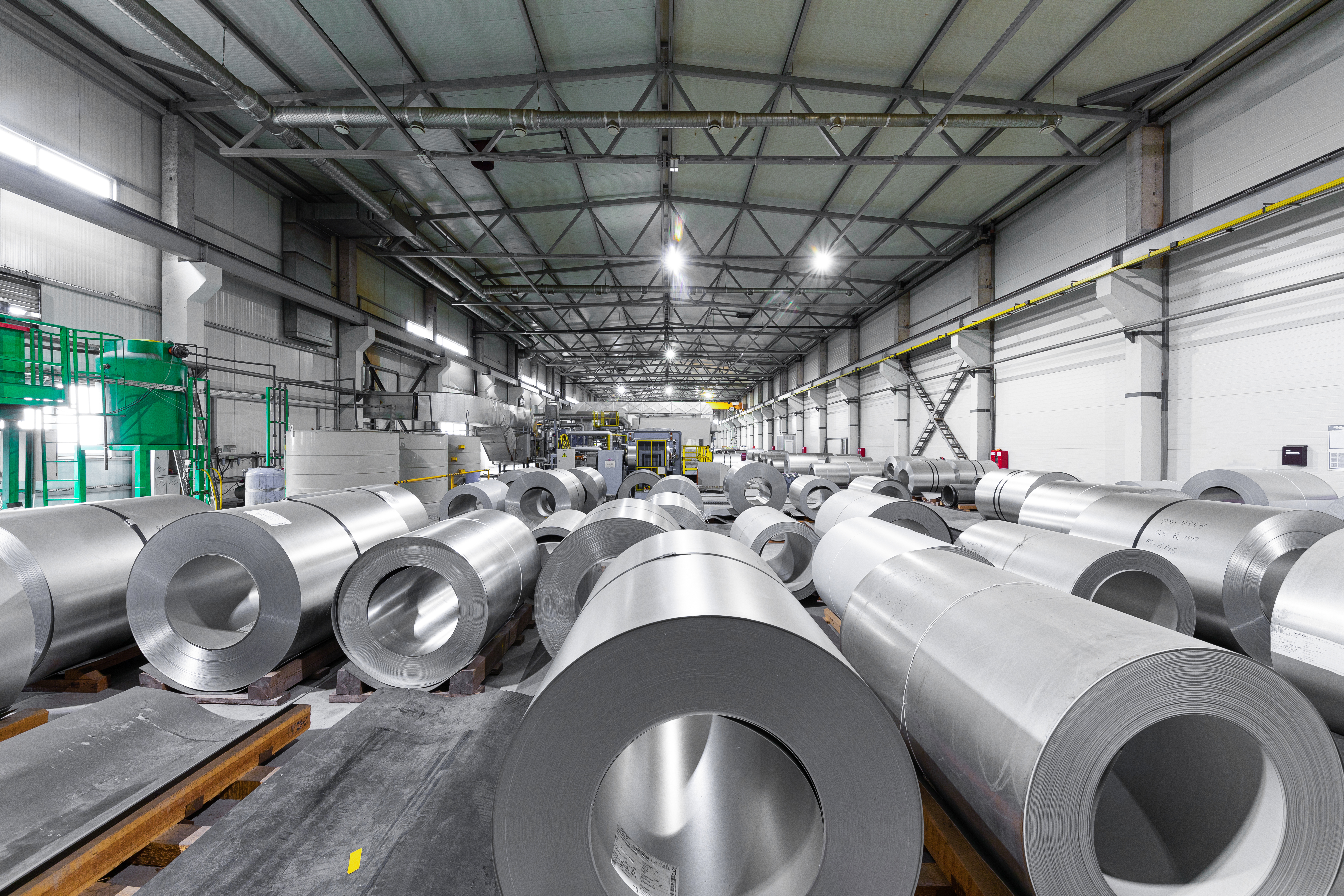
Energy data management for the food industry
Cold stores, pasteurisation, seasonal production and strict HACCP requirements: in the food industry, energy is a major and at the same time inflexible cost factor. Learn how empAI connects existing data from production, energy supply and the energy market, reduces load peaks, optimises self-generation and simplifies CO₂ reporting – without compromising food safety or quality.
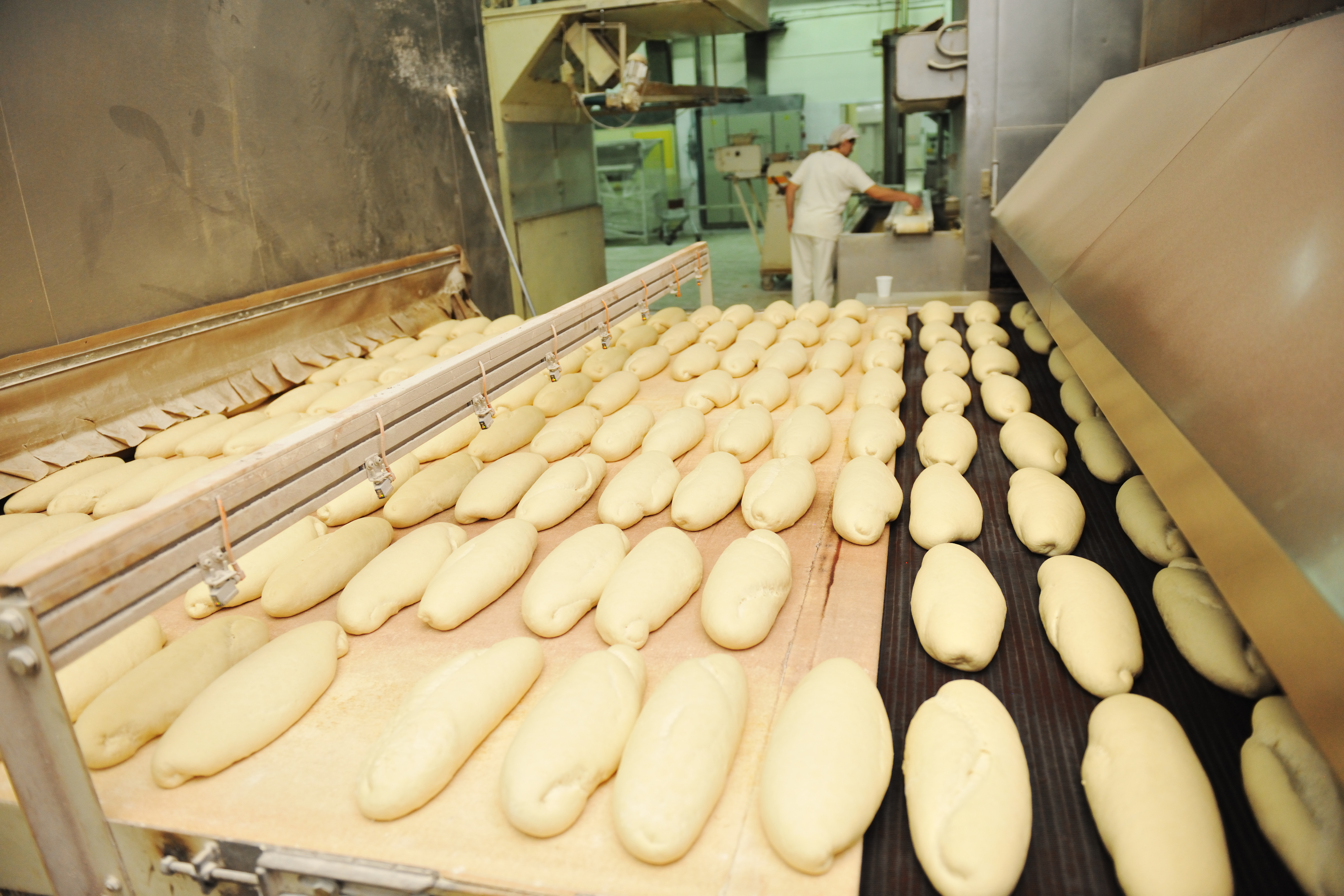
Energy data management for the food industry: why data alone is not enough
Cold stores running around the clock. Pasteurisation plants that must hold exact temperatures. Production lines that follow harvest and delivery seasons rather than electricity prices. Officially, the food industry is not one of the most energy-intensive sectors such as steel, chemicals or aluminium. Nevertheless, energy is a significant cost factor – and one of the least flexible.
Anyone who wants to cut energy costs can neither switch off machines nor postpone production steps. Quality, food safety and delivery capability set tight limits. That is precisely why intelligent energy data management is becoming increasingly important.
The challenge: lots of data, little control
Food companies today capture an enormous amount of data. Sensors monitor cold chains, refrigeration systems supply operating data, ERP and MES systems document production processes, and weather, market and energy data are also available. Even so, this information often does not feed into operational decisions.
One reason for this is the technical conditions. Cooling and heating processes run in parallel and usually around the clock. Freezer warehouses and cold stores can no more be interrupted than ovens, cooking kettles, dryers or pasteurisation plants. Conventional load management quickly reaches its limits here.
In addition, production can only be planned to a limited extent. Many companies are guided by seasonal harvests, the availability of raw materials or fixed delivery dates – not by low electricity prices. HACCP and hygiene requirements also set tight limits on any change to the production process.
Regulatory requirements are increasing, too. Companies have to operate energy management systems, document sustainability indicators and provide reliable CO₂ data for CSRD reports or food retail requirements. At the same time, energy prices fluctuate much more than just a few years ago. Anyone operating photovoltaic or biogas plants therefore has to decide continuously whether generated energy is better used on site, stored or fed into the grid.
The real problem is the lack of connection between the abundant data that already exists. Information on when energy is particularly expensive, which plants cause the highest consumption or how self-generation is developing is already available – but it is rarely translated into concrete decisions for day-to-day operations.
In short: the food industry is data-rich, but often still control-poor.
How empAI helps
As a platform for energy data management, empAI addresses exactly this. Instead of replacing existing ERP, MES or SCADA systems, the platform connects energy, production, market and environmental data in a digital twin. This creates a uniform data foundation from which concrete recommendations for action in operations are derived.
For food companies, this means, for example:
- Refrigeration systems and compressors can be operated in a way that reduces load peaks without compromising the cold chain or prescribed temperature ranges.
- Energy-intensive auxiliary processes such as cleaning cycles or other time-flexible consumers can be shifted to more economical time windows within operational constraints.
- AI-supported forecasts with a model accuracy of over 85 percent make it possible to predict energy consumption, self-generation and electricity prices hours to months in advance. This turns reactive energy procurement into forward-looking planning.
- Self-generated energy from photovoltaic or biogas plants is automatically optimised in terms of self-consumption, storage and grid feed-in.
- At the same time, energy and CO₂ data is transparently captured at product, process and site level and prepared for ESG reporting, CSRD requirements and evidence for trading partners.
The added value lies not only in analysing data. What matters is that existing information is turned into concrete decisions that can be implemented directly in day-to-day operations.
Conclusion
Processes in the food industry remain largely rigid for good reasons. Food safety, product quality and delivery capability always take priority. Nevertheless, there is considerable potential in using existing energy data more intelligently.
As a platform for energy data management, empAI makes information from production, energy supply and the energy market usable and turns it into a sound basis for decisions. Often it is precisely the many small, seemingly inconspicuous levers in the process that empAI identifies and that add up to effective savings potential. This makes it possible to lower energy costs, reduce CO₂ emissions and meet regulatory requirements – without replacing existing systems or fundamentally changing production processes.