Energy data management in foundries
In foundries, the melting operation sets the pace – but sand preparation, finishing, robotics and compressed air often offer untapped flexibility. Learn how granular energy data at plant level reveals shiftable loads and how empAI turns energy from a pure cost factor into a controllable variable.
Energy data management in foundries: from cost factor to controllable variable
Foundries are among the energy-intensive sectors of German industry. At the same time, electricity prices fluctuate, energy efficiency requirements are rising and reporting obligations around energy and climate data are increasing. For energy-intensive operations, this raises a central question: how can energy be used economically when production sets its own pace?
A look at the individual processes shows: a plant's energy consumption is far less homogeneous than the total consumption figure suggests. While the melting operation determines the production rhythm, other consumers offer room to shift their timing or adjust their output.
This is exactly where energy data management becomes the basis for operational control. Only when energy consumption is visible at plant and process level can you see where flexibility exists, when it can be used and what impact a decision has on costs and production.
The melting operation sets the pace
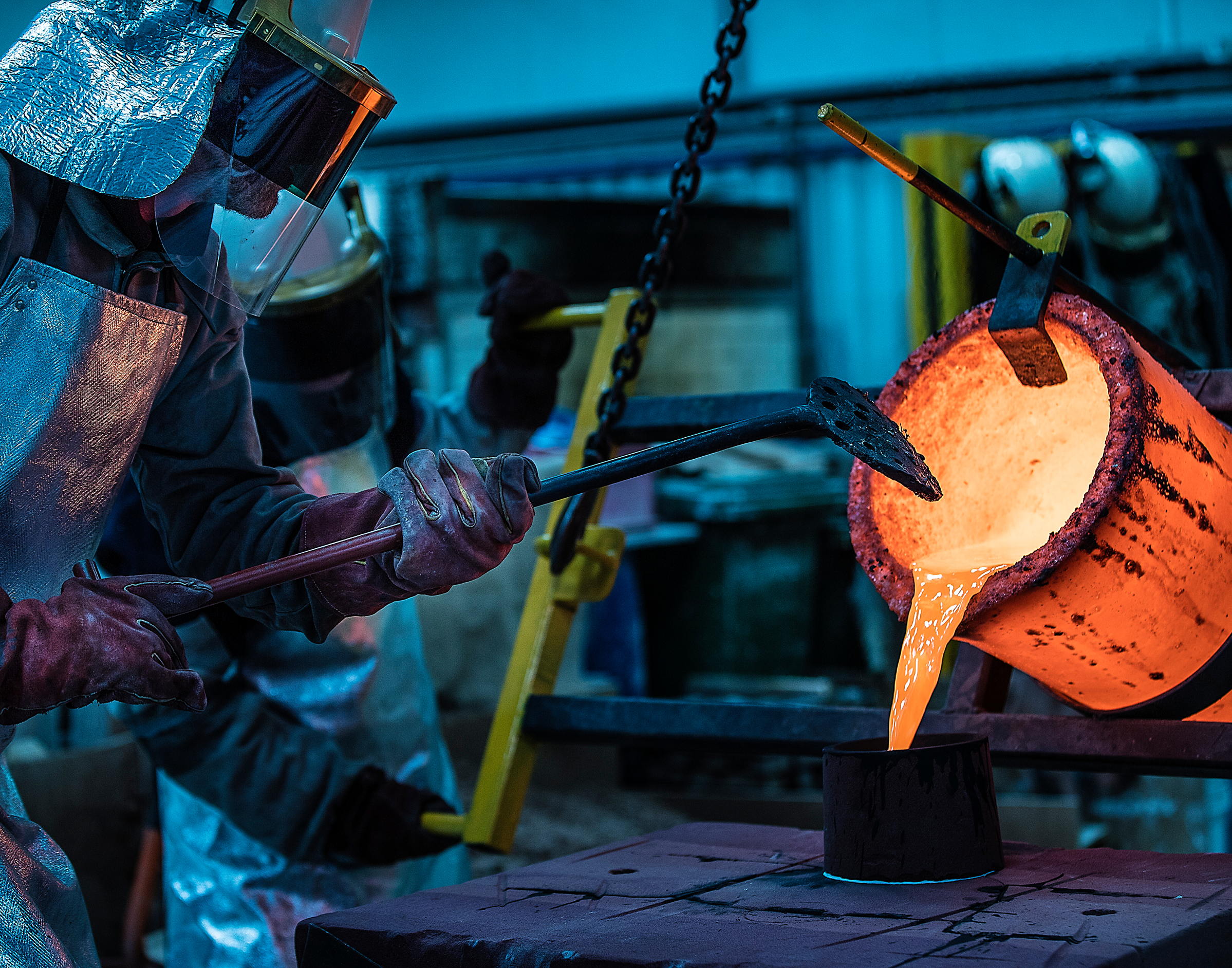
The heart of every foundry is the melting operation. Whether electric or cupola furnace: melting and providing the metal requires large amounts of energy and is one of the most energy-intensive process steps in the plant.
At the same time, the melting operation sets tight limits on flexibility in timing. Once started, the process must continue under defined conditions so that temperature, material quality and production flow are right. A short-term rise in electricity prices does not change these requirements.
The melting furnace is therefore a good example of how energy consumption and load flexibility are two different things. For energy management, this means: the entire operation cannot simply be aligned with the electricity price. Instead, it is important to distinguish between individual consumers.
Where flexibility lies in the plant
The melting operation is only part of a foundry's energy consumption. Sand preparation and sand recycling, heat treatment, mechanical finishing, robotics and surface treatment also require energy. Added to this is the compressed air supply as a key cross-cutting technology.
Depending on the production flow, these processes offer different degrees of room for manoeuvre. Work steps can be shifted in time, plants can adjust their output, or operating times can be coordinated more effectively.
This results in a clear division of roles: the melting furnace sets the pace. Other consumers may be able to follow this pace or flexibly adjust their own energy use.
The challenge lies in reliably identifying this room for manoeuvre. The plant's total consumption is not enough for this. Only data at plant and process level shows which consumer needs how much energy and when, and which loads can actually be shifted.
Without granular data, flexibility remains invisible
In many companies, energy data is reliably captured, but sits in different systems and at different levels. Meters provide consumption values, ERP systems map production data, machine controls record process information. For a holistic view, this information must be brought together.
It is precisely this connection that creates the basis for intelligent energy management. Because the key question is not only: how much energy does the plant consume? But: which plant consumes how much energy and when – and how is this consumption related to production, prices and other influencing factors?
Only with this depth of data can flexibility be assessed systematically. Companies can recognise which processes can be shifted, which loads are critical and where adjusting operations makes economic sense.
Between electricity prices and growing reporting obligations
The economic importance of this transparency is growing. Electricity prices can change significantly within a short time. For energy-intensive companies, the question of when and how energy is used therefore becomes more important.
At the same time, the requirements for structured energy management are increasing. ISO 50001 relies on continuous improvement, robust energy performance indicators and traceable evidence. Customers, business partners and regulatory requirements may also increasingly demand detailed energy and climate data.
This changes the role of energy data: it no longer serves only to document consumption. It becomes the basis for decisions on day-to-day operations and investments.
Managing flexibility and efficiency together
At first glance, flexibility and energy efficiency can conflict in certain production situations. Shifting processes may, for example, change utilisation, while efficient operation often depends on optimally coordinated workflows.
The solution therefore lies less in a blanket optimisation of the entire plant than in a differentiated view of individual processes.
The melting operation can set its production rhythm. Other consumers can be controlled flexibly within this framework. What matters is a data foundation that makes these differences visible and shows their impact on energy consumption, costs and production.
How empAI translates energy data into operational knowledge
empAI is an AI platform for energy-intensive production. The platform connects energy, production, market and environmental data and maps these relationships in digital twins. An AI forecasting layer predicts consumption, generation and prices, creating the basis for forward-looking decisions.
For a foundry, this results in four main fields of application:
1. Identifying and using flexibility
Plant and process data shows where there is room for manoeuvre in timing. Load-flexible processes such as finishing or robotics can be shifted to suitable time windows in a targeted way, while the melting operation maintains its necessary production rhythm.
2. Anticipating energy consumption and prices
The AI forecasting layer considers consumption, generation and energy prices together. This gives companies a better basis for planning their energy use and allows them to make decisions earlier, instead of reacting only to short-term price movements.
3. Keeping an eye on load peaks and critical consumers
Continuous monitoring of energy consumption shows where high loads occur and which processes are involved. This enables companies to identify critical situations earlier and take appropriate action.
4. Making measures and investments measurable
The shared data foundation creates transparency about energy consumption and costs at plant and process level. This makes it possible to compare changes before and after an efficiency measure and to demonstrate its impact in a traceable way. At the same time, it produces robust data for energy management, audits and other reporting requirements.
From cost burden to control capability
Energy remains a key cost and competitive factor for foundries. Nevertheless, operations offer more starting points for flexibility than a look at total consumption reveals. The decisive step is therefore to connect energy consumption with production and market data and make it visible at plant level.
Anyone who knows which plant consumes how much energy and when, which processes can respond flexibly and how decisions affect costs and production can turn energy from a pure cost factor into a controllable variable.
Energy data management creates exactly this foundation – and with empAI, this data foundation becomes the ability to make operational decisions.